XRP is currently trading around the $1.04 mark, a level that has traders and analysts closely monitoring the charts. The digital asset has been navigating a delicate phase, balancing modest ETF inflows against growing signs that institutional momentum might be cooling. At the same time, large wallet holders are moving significant amounts of tokens, adding another layer of complexity to the short-term price action. The real question on everyone’s mind is whether the psychological and technical floor at $1 will hold firm or give way to a deeper correction.
The Current State of XRP’s Price Action
XRP has spent recent weeks consolidating in a relatively tight range, hovering just above the $1 threshold. This area has historically served as a strong support zone, where buyers have repeatedly stepped in to prevent further downside. However, consolidation periods like this often precede decisive moves. Market participants are watching volume indicators and order book depth to gauge whether the current price is merely a pause or the early stages of a breakdown. When an asset trades this close to a major round number, sentiment tends to shift quickly based on minor price fluctuations, making it crucial to watch how volume reacts on both up and down days.
ETF Inflows and Market Sentiment
The recent launch of XRP-focused exchange-traded funds has been a major talking point in the crypto community. For much of June, these funds have recorded positive net inflows, signaling continued institutional interest. However, the pace of these inflows has noticeably decelerated compared to earlier months. When ETF buying pressure slows, it often reduces the immediate upward catalyst for the underlying asset. This doesn’t mean institutional investors are abandoning XRP, but it does suggest a shift from aggressive accumulation to a more measured, wait-and-see approach.
What Slowing ETF Flows Mean for XRP
Slower inflows don’t automatically spell trouble. In many cases, a cooling off period allows retail and mid-tier investors to catch up, stabilizing the market. It also gives exchanges and fund managers time to adjust liquidity structures. Still, traders should be aware that reduced institutional buying pressure can make the asset more vulnerable to short-term volatility, especially if broader market conditions turn bearish. Without a steady stream of fresh capital from funds, price discovery becomes more reliant on retail activity and existing holder behavior.
Whale Movements and On-Chain Activity
On-chain data reveals that large holders, often referred to as whales, have been withdrawing significant amounts of XRP from centralized exchanges. Historically, whale withdrawals are interpreted as a bullish signal. When major players move tokens to cold storage or private wallets, it typically reduces the available supply on exchanges, which can limit selling pressure and set the stage for future price appreciation. That said, whale behavior is not always straightforward. Sometimes these transfers are related to staking, institutional custody arrangements, or strategic repositioning ahead of regulatory developments. Regardless of the exact reason, a shrinking exchange supply generally removes immediate sell-side liquidity, which can help defend key support levels.
Technical Outlook: Key Support and Resistance Levels
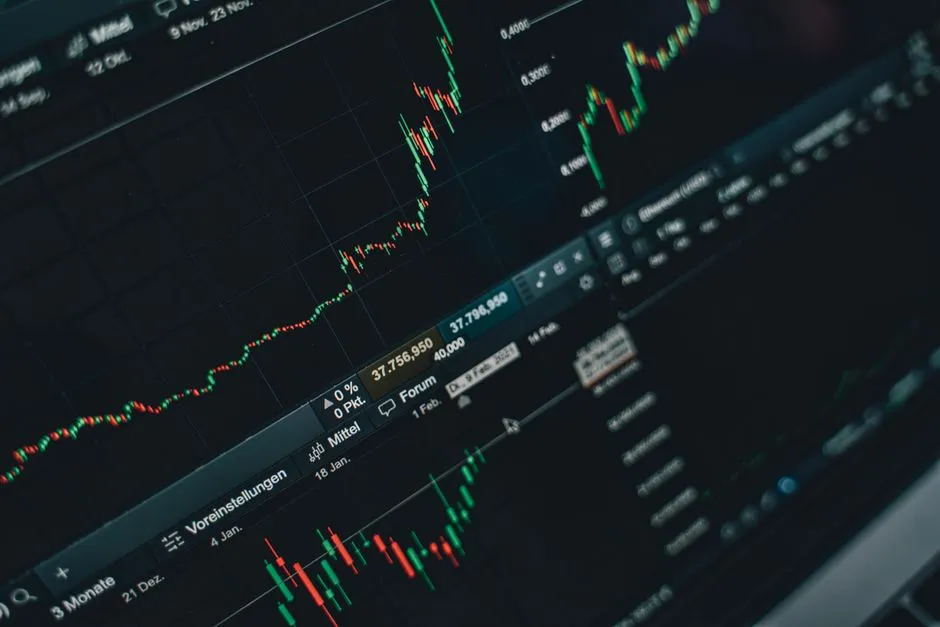
From a technical standpoint, the $1 mark remains the most critical support level. A decisive break below this zone could trigger automated sell orders and attract short-term speculators looking to capitalize on the dip. On the upside, resistance sits around $1.15 to $1.20, where previous consolidation zones and moving averages converge. If XRP can reclaim and hold above $1.10 with strong volume, it may signal that buyers are regaining control. Conversely, failure to defend $1 could open the door to a test of $0.85 to $0.90, where deeper liquidity pools reside. Traders should also watch for divergence patterns on the hourly and daily charts, as they often precede trend reversals during tight consolidation phases.
What Traders Should Watch Next
Navigating this phase requires a balanced approach. Traders should monitor a few key indicators over the coming days. First, track ETF flow reports to see if institutional interest picks back up or continues to taper. Second, keep an eye on on-chain whale activity, particularly whether withdrawals continue or if large deposits back onto exchanges begin to appear. Finally, watch broader market sentiment, as XRP rarely moves in isolation. Bitcoin’s price action and macroeconomic data releases will likely influence liquidity across the entire altcoin sector. Combining on-chain metrics with traditional technical analysis will provide the clearest picture of where price is likely to head next.
Final Thoughts
XRP stands at a pivotal juncture, with the $1 support level acting as the make-or-break threshold for short-term traders. While ETF inflows remain positive, the noticeable slowdown in institutional buying pressure has introduced a degree of caution into the market. At the same time, whale withdrawals suggest that long-term holders are not panicking, which could provide underlying strength if conditions align. As always, crypto markets are driven by a mix of technical structure, on-chain behavior, and broader sentiment. Whether XRP holds its ground or tests lower levels will likely depend on how these factors converge over the next few weeks. For now, patience and disciplined risk management remain the best tools for navigating this consolidation phase.