The Push Toward a $400 Million Public Market Debut
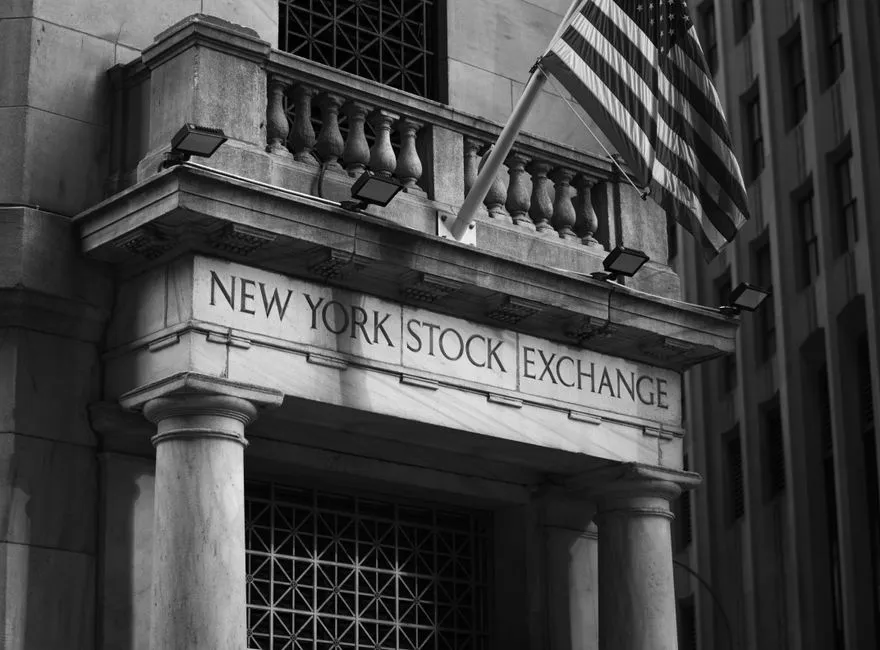
The digital asset infrastructure space is witnessing a significant milestone. Securitize, a prominent platform known for tokenizing real-world assets, has officially secured commitments expected to deliver approximately $400 million ahead of its highly anticipated debut on the New York Stock Exchange. This market entry is being facilitated through a merger with Cantor Equity Partners II, marking a pivotal moment for both the company and the broader tokenization industry. With fewer than 30 percent of Cantor Equity Partners II shareholders initially opposing the deal, the path forward appears clear, signaling strong institutional confidence in the future of blockchain-based securities.
What Exactly Is Securitize?
For those unfamiliar with the company, Securitize operates at the intersection of traditional finance and decentralized technology. Founded by David Gouldin, the platform specializes in tokenization, which is essentially the process of converting ownership of real-world assets into digital tokens on a blockchain. These assets can range from private equity and venture capital funds to real estate, government bonds, and even fine art. By digitizing these traditionally illiquid investments, Securitize makes them easier to trade, fractionate, and manage.
Bridging Traditional Finance and Blockchain
The core value proposition of Securitize lies in its ability to bring institutional-grade compliance and security to the digital asset space. Rather than treating blockchain as a speculative playground, the company has built robust infrastructure that meets strict regulatory standards. This approach allows established financial institutions to experiment with digital securities without compromising on legal requirements or investor protections. As more traditional firms look to modernize their offerings, platforms like Securitize are becoming essential intermediaries.
Why BlackRock’s Backing Changes the Game
Perhaps the most compelling aspect of Securitize’s upcoming public debut is its connection to BlackRock. The world’s largest asset manager has long been a vocal supporter of blockchain technology and digital asset infrastructure. BlackRock’s involvement is not just a financial investment; it serves as a powerful stamp of approval that validates the tokenization model for the broader financial community. When an institution of this magnitude aligns itself with a tokenization platform, it sends a clear message that digital asset infrastructure is no longer a niche experiment. It is becoming a fundamental component of modern financial markets.
Navigating the SPAC Path to the NYSE
Securitize’s route to the public markets follows a familiar playbook in today’s financial landscape: the Special Purpose Acquisition Company, or SPAC. By merging with Cantor Equity Partners II, the company can bypass the traditionally lengthy and complex initial public offering process. SPACs allow businesses to access public capital markets more quickly, though they also come with their own set of investor expectations and regulatory scrutiny. The $400 million in secured commitments demonstrates that institutional investors are willing to back this model, particularly when it involves a company with a clear product-market fit and strong institutional partnerships.
- Speed to Market: The SPAC merger accelerates Securitize’s timeline to public trading, allowing it to raise capital and expand operations sooner.
- Institutional Validation: The size of the commitments reflects growing confidence in tokenization as a viable, scalable business model.
- Regulatory Alignment: Operating within established NYSE frameworks helps Securitize maintain credibility with traditional financial regulators.
What This Means for the Broader Market
The successful debut of Securitize could serve as a catalyst for wider adoption of tokenized assets across multiple industries. As more real-world assets move onto blockchains, liquidity improves, settlement times shrink, and access to previously exclusive investment opportunities expands. We are already seeing early signs of this shift in private markets, where tokenized funds are attracting a new wave of accredited investors who value transparency and efficiency. If Securitize can scale its operations and maintain compliance standards post-IPO, it may well become a benchmark for how traditional financial infrastructure and blockchain technology can coexist.
Final Thoughts
Securitize’s journey to the NYSE represents more than just another corporate merger. It highlights a broader structural shift in how financial markets are evolving. With BlackRock’s backing, a clear path to public listing, and nearly $400 million in commitments already in place, the company is positioning itself at the forefront of a quiet revolution in asset management. As tokenization moves from experimental projects to mainstream financial infrastructure, platforms that prioritize security, compliance, and real-world utility will likely lead the charge. The coming months will be critical in determining whether this momentum translates into sustained market adoption, but one thing is certain: the bridge between traditional finance and blockchain is finally being built on a solid foundation.