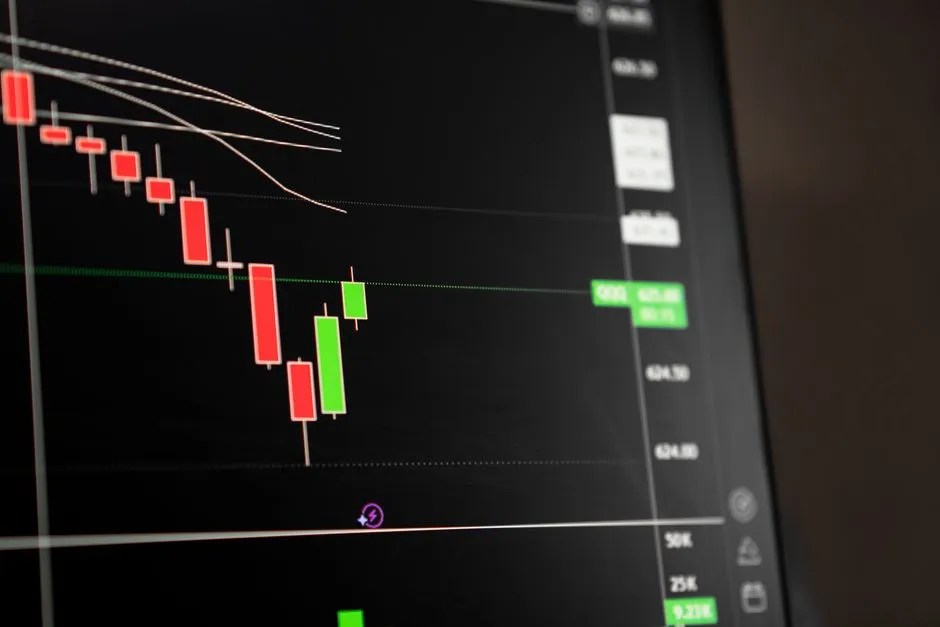
The recent trading activity surrounding SpaceX’s newly public shares has captured the attention of market watchers, retail traders, and institutional analysts alike. After a series of sharp declines, the stock has become a focal point for a growing debate about short-selling activity and the potential for a dramatic market reversal. As bears continue to pile into SPCX, investors are left wondering whether the current downturn is a temporary correction or the beginning of a much larger bearish trend.
The Current State of SPCX Shares
Over the past five trading sessions, SpaceX shares have faced consistent downward pressure, losing more than 25 percent of their value in a remarkably short span. This kind of rapid depreciation is rarely seen in companies with the kind of brand recognition and technological footprint that SpaceX possesses. However, the stock market does not always reward reputation alone. Execution, valuation expectations, and broader macroeconomic conditions all play a heavy role in how a stock performs in its early public trading phases.
What makes this particular slide even more notable is the accompanying surge in short interest. According to recent data from Ortex Technologies, short positions now account for roughly 13 percent of the publicly tradable float. In plain terms, a significant portion of market participants are actively betting that the stock will continue to fall. This level of bearish positioning has naturally sparked conversations about whether the market is due for a short squeeze.
Understanding the Surge in Short Interest
Short selling involves borrowing shares, selling them at the current market price, and hoping to buy them back later at a lower price to return to the lender. The difference between the sell price and the buy-back price becomes the trader’s profit. When short interest climbs to 13 percent of the float, it signals that a substantial number of investors see near-term headwinds for the company. These headwinds could include concerns over valuation, regulatory scrutiny, supply chain constraints, or simply the belief that the market priced in too much optimism during the initial listing.
What Does 13 Percent Short Interest Mean?
In the broader stock market, short interest above 10 percent is generally considered elevated. It suggests that bears are not just hedging their portfolios but are making a concerted, directional bet against the stock. For a company like SpaceX, which operates in a capital-intensive, highly competitive sector, skeptics often point to the massive capital expenditures required to maintain growth, the risks associated with government contracts, and the intense competition from other aerospace and defense firms. All of these factors can justify a cautious or outright bearish stance, at least in the short term.
The Short Squeeze Debate Explained
A short squeeze occurs when a heavily shorted stock begins to rise rapidly, forcing short sellers to buy back shares to cover their positions and limit their losses. This wave of buying drives the price even higher, creating a feedback loop that can push shares well beyond their recent trading ranges. Given the 13 percent short interest and the recent 25 percent drop, many traders are watching for any catalyst that could trigger such a move. Positive earnings surprises, major contract announcements, or even a broader market rally could easily force bears to exit their positions quickly.
However, predicting a short squeeze is notoriously difficult. While the conditions are present, market sentiment can shift just as quickly in the opposite direction. If SpaceX faces renewed regulatory hurdles or misses key operational milestones, the short interest could climb even further, deepening the downward pressure. This is why the debate remains so active among traders and analysts.
What Bears Are Betting On
Those accumulating short positions are likely focusing on near-term execution risks. The aerospace industry operates on long timelines, and any delay in launch schedules, manufacturing bottlenecks, or shifts in government spending can immediately impact investor confidence. Additionally, the public markets often demand consistent, predictable growth, which can be challenging for a company that is still scaling its commercial and defense operations. Bears may also be factoring in broader economic conditions, such as interest rate fluctuations or risk-off sentiment, which tend to weigh heavily on high-growth, capital-intensive stocks.
What Long-Term Investors Should Watch
For investors with a longer time horizon, the current volatility may present both risks and opportunities. Rather than reacting to daily price swings, it is helpful to focus on fundamental metrics: revenue growth, contract backlog, cash burn rate, and technological milestones. SpaceX has consistently demonstrated its ability to innovate and capture market share, but translating that into steady public market performance requires disciplined financial management and transparent communication with shareholders.
Monitoring quarterly reports, tracking changes in short interest over time, and watching how institutional investors adjust their positions will provide a clearer picture of where the stock is headed. Volatility is a natural part of early-stage public trading, and patience often separates successful long-term investors from those who get caught up in short-term noise.
As the debate over a potential short squeeze continues to unfold, one thing remains clear: SPCX is in a highly sensitive trading environment. Whether the bears maintain their downward pressure or a sudden shift in sentiment triggers a rapid reversal, investors should approach the stock with clear eyes, realistic expectations, and a focus on the underlying business fundamentals. The next few months will likely reveal whether SpaceX can stabilize its public market performance and justify the ambitious valuation that brought it to the forefront of global investing.