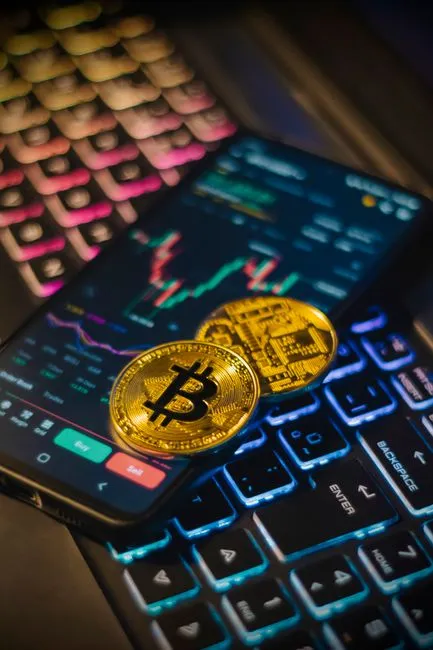
The world of digital assets has evolved significantly over the past few years. If you have been hesitant to make your first purchase because the terminology feels overwhelming, you are not alone. However, buying cryptocurrency in 2026 is far more straightforward than the industry hype suggests. With clearer regulations, more intuitive platforms, and improved security standards, the barrier to entry has never been lower. This guide breaks down the entire process into manageable steps, highlights the security measures you should take, and points out the common mistakes that quietly drain beginner portfolios.
Step 1: Select a Reputable Exchange Platform
Your first task is finding a reliable marketplace to trade fiat currency for digital assets. In 2026, the landscape is dominated by regulated centralized exchanges that offer user-friendly interfaces, competitive fees, and robust customer support. When evaluating platforms, prioritize those that are publicly registered, maintain transparent fee structures, and offer two-factor authentication out of the box. While decentralized exchanges exist and offer greater privacy, they require a deeper technical understanding and are generally better suited for experienced traders. For your first purchase, stick with a well-known centralized exchange that supports your local currency and banking methods.
Step 2: Complete the Identity Verification Process
Once you have chosen a platform, you will need to create an account and complete the identity verification process. This step, often referred to as KYC, is mandatory on regulated exchanges. You will typically need to upload a government-issued ID and verify your phone number or email address. While it may feel like an extra hurdle, verification is actually a protective measure. It ensures the platform complies with financial regulations, reduces the risk of fraud, and guarantees that your funds are backed by a legally recognized entity. The process usually takes anywhere from a few minutes to a couple of days, depending on the exchange.
Step 3: Fund Your Account
After your account is approved, you will need to add funds. Most modern exchanges support multiple deposit methods, including bank wire transfers, debit cards, and instant payment networks. Bank transfers typically offer the lowest fees but can take a day or two to clear. Credit and debit cards provide instant access but often come with higher processing fees. Before transferring money, check the exchange’s fee schedule carefully. Some platforms charge a flat rate, while others use a percentage model. Starting with a modest amount allows you to familiarize yourself with the interface without exposing yourself to unnecessary financial risk.
Step 4: Place Your First Order
With funds in your account, you are ready to buy. Navigate to the trading section and select the cryptocurrency you wish to purchase. Beginners usually start with established assets like Bitcoin or Ethereum due to their relative stability and widespread adoption. You will generally have two order options to choose from. A market order executes immediately at the current price, making it the simplest route for newcomers. A limit order allows you to set a specific price, and the purchase will only trigger if the market reaches that level. For your first transaction, a market order is the most straightforward approach. Double-check the amount and the asset name before confirming the trade.
Step 5: Move Your Assets to a Secure Wallet
Leaving your cryptocurrency on an exchange is convenient, but it is not the safest long-term strategy. Exchanges are prime targets for hackers, and if a platform experiences financial trouble, your funds could be at risk. The golden rule of digital asset ownership is simple: if you do not control the private keys, you do truly own the assets. Transferring your coins to a personal wallet gives you full control and significantly reduces your exposure to third-party risks.
Understanding Hot and Cold Storage
Wallets generally fall into two categories. Hot wallets are connected to the internet and are ideal for storing smaller amounts you plan to trade frequently. They are easy to set up and integrate well with mobile devices. Cold wallets, on the other hand, are physical hardware devices that store your private keys completely offline. They are the gold standard for long-term storage and are highly recommended for any significant investment. Regardless of which type you choose, always write down your recovery phrase on paper and store it in a secure, offline location. Never share this phrase with anyone, and never store it digitally.
Pitfalls That Cost Beginners Money
Even with a clear process, new investors often fall into predictable traps. Understanding these mistakes can save you from costly setbacks:
- Chasing rapid price spikes: Buying an asset simply because it has surged overnight often leads to buying at the peak. Emotional trading driven by fear of missing out is one of the fastest ways to lose capital.
- Ignoring network and transaction fees: Cryptocurrency transfers require network fees, which fluctuate based on congestion. Failing to account for these costs can eat into your returns, especially with smaller transactions.
- Leaving assets unsecured: Skipping two-factor authentication, using weak passwords, or clicking suspicious links in phishing emails can compromise your entire account. Security is not optional.
- Investing money you cannot afford to lose: The digital asset market is inherently volatile. Only allocate funds that you are comfortable holding long-term or potentially losing entirely.
Entering the cryptocurrency space does not require a computer science degree or a background in finance. It requires patience, a willingness to learn, and a commitment to basic security practices. By choosing a regulated exchange, verifying your identity, funding your account responsibly, and securing your assets in a personal wallet, you establish a solid foundation for your journey. Start small, stay informed, and always prioritize the safety of your funds over short-term gains. The technology has matured, the tools are accessible, and the path forward is clearer than ever.