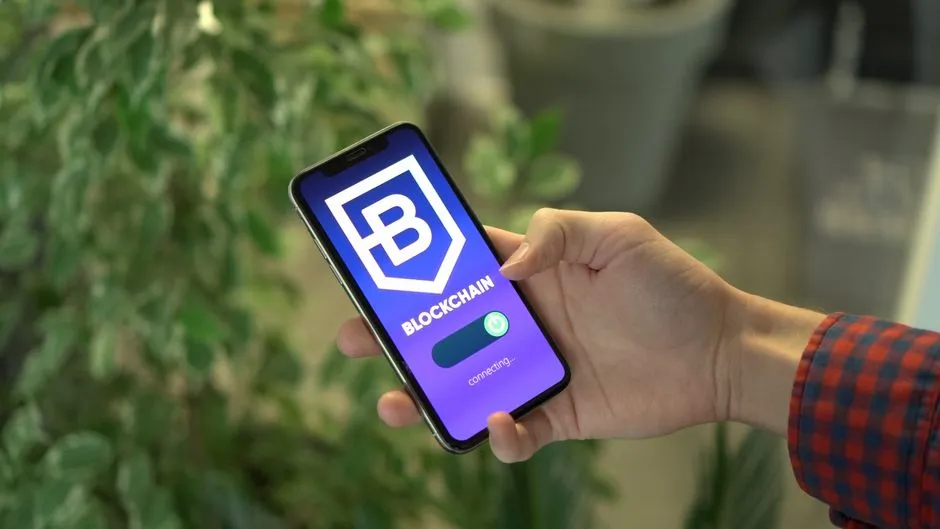
Many people approach cryptocurrency with a familiar mental model: a digital wallet that holds coins just like a leather wallet holds cash. This assumption is not only inaccurate, it is one of the most common reasons investors lose their assets. A crypto wallet does not actually store your coins. Instead, your digital assets live on a decentralized blockchain. What a wallet truly holds are cryptographic keys that prove ownership and allow you to move those funds. Understanding this fundamental distinction is the single most important step in keeping your portfolio safe. Here is everything you need to know about how wallets work, the differences between hot and cold storage, the critical role of seed phrases, and how to pick the right solution for your needs.
The Truth About Crypto Wallets: It Is All About Keys
At its core, a cryptocurrency wallet is a software or hardware interface that manages two specific types of cryptographic information: public keys and private keys. Think of your public key as a bank account number or an email address. You can freely share it with others so they can send you funds. Your private key, on the other hand, functions like a highly secure password or a digital signature. It is the only thing that authorizes outgoing transactions. If someone gains access to your private key, they gain complete control over the assets associated with that wallet. Conversely, if you lose your private key, there is no customer service line to call and no reset button to click. The funds remain on the blockchain forever, but they become permanently inaccessible.
Modern wallet applications handle the complex cryptography behind the scenes, presenting you with a simple interface to check balances, send payments, and receive assets. However, the underlying technology remains a key management system, not a storage vault. Recognizing this shifts your focus from simply downloading an app to actively securing the keys that govern your wealth.
Hot vs. Cold Wallets: Finding Your Balance
When it comes to storing your keys, the industry generally divides wallets into two categories: hot wallets and cold wallets. Each serves a different purpose, and most experienced investors use a combination of both to balance security with convenience.
Hot Wallets: Convenience Meets Connectivity
Hot wallets are connected to the internet. They include mobile apps, desktop software, and browser extensions. Because they are always online, they are exceptionally convenient for everyday use. If you frequently trade, interact with decentralized finance protocols, or collect and display digital art, a hot wallet is usually the best tool for the job. Setup is typically quick, and sending or receiving funds takes only a few clicks. The trade-off is security. Because hot wallets maintain an internet connection, they are inherently more vulnerable to remote hacking attempts, malware, and phishing attacks. They are best suited for holding smaller amounts of crypto that you plan to use actively.
Cold Wallets: The Gold Standard for Security
Cold wallets, often referred to as hardware wallets, are physical devices that store your private keys completely offline. They look like USB drives but contain specialized chips designed to generate and protect cryptographic keys. When you need to sign a transaction, you connect the device to a computer or phone, but the private key never leaves the hardware. This air-gapped approach makes cold wallets virtually immune to remote hacking, keyloggers, and most online threats. They are the preferred choice for long-term storage and holding significant amounts of cryptocurrency. While they require an upfront purchase and slightly more steps to authorize transactions, the peace of mind they provide is unmatched for serious investors.
The Lifeline of Your Assets: Understanding Seed Phrases
Whether you use a hot or cold wallet, you will be asked to back up your wallet using a seed phrase, also known as a recovery phrase or mnemonic phrase. This is typically a sequence of twelve or twenty-four randomly generated words. The seed phrase is the master key to your entire wallet. It contains all the mathematical data needed to regenerate your private keys if your device is lost, damaged, or stolen.
The security of your crypto ultimately rests on how you handle this phrase. Never store it digitally. Screenshots, cloud notes, email drafts, and photo albums are prime targets for hackers and malware. Instead, write the phrase down on paper or engrave it onto a metal backup plate designed to withstand fire and water damage. Keep it in a secure, physical location that only you know about. If someone ever asks you for your seed phrase, it is a scam. Legitimate companies and support teams will never request it.
How to Choose the Right Wallet for Your Needs
Selecting a wallet should not be a guessing game. Start by assessing your activity level and security priorities. If you are a casual user who wants to experiment with small amounts of crypto or participate in online marketplaces, a reputable software wallet will likely suffice. If you are treating cryptocurrency as a long-term savings vehicle or holding a substantial portfolio, investing in a hardware wallet is a non-negotiable step.
Also consider the ecosystems you plan to use. Some wallets are built specifically for a single blockchain, while others support dozens of different networks and tokens. Check the wallet features carefully. Look for open-source code, a strong track record of security audits, and an active development team. A hybrid approach is often the most practical strategy: keep a small portion of your funds in a hot wallet for daily expenses and trading, while storing the majority in a cold wallet for long-term preservation.
Essential Security Habits to Protect Your Crypto
Even the best wallet cannot protect you from careless mistakes. Build good habits early to minimize risk. Always double-check recipient addresses before confirming a transaction, as blockchain transfers are irreversible. Keep your wallet software updated to patch known vulnerabilities. Enable additional security features like PIN codes, biometric locks, and two-factor authentication whenever available. Finally, remain vigilant against social engineering. Scammers constantly create fake support channels, counterfeit websites, and malicious links designed to steal your credentials. Verify every URL and never enter your private keys or seed phrase into an online form.
Mastering the basics of cryptocurrency wallets is the foundation of financial sovereignty in the digital age. By understanding that wallets manage keys rather than coins, choosing the right balance between hot and cold storage, and treating your seed phrase with the utmost care, you take full control of your assets. The technology may be complex, but the principles are straightforward: stay informed, prioritize security, and never compromise on the safeguards that protect your digital wealth.