Where Solana Stands in Late 2026
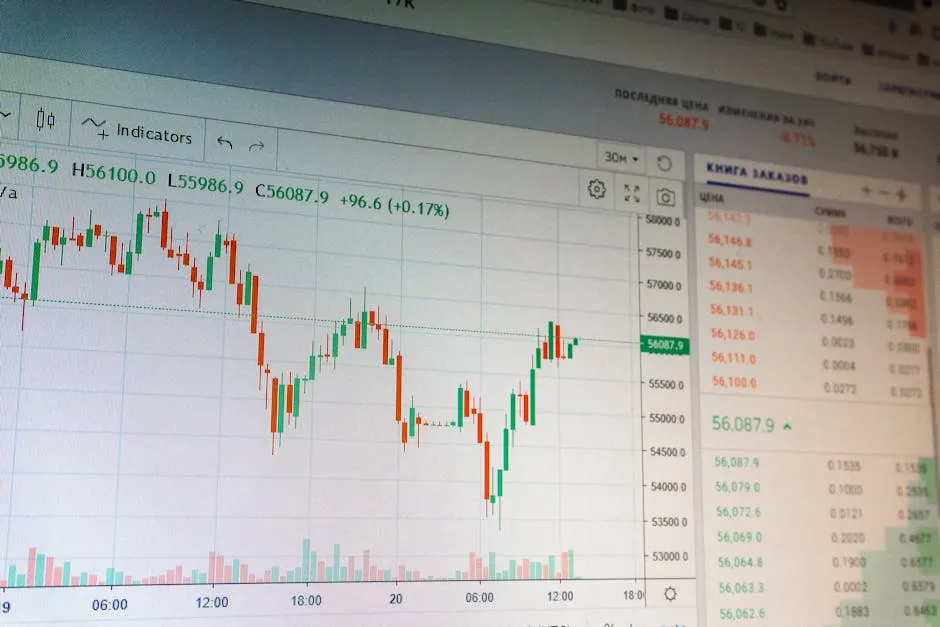
As we move through the second half of 2026, Solana has found itself in a fascinating holding pattern. After a turbulent first quarter that saw the token plummet from over $200 down to the low $60s, the asset has spent the past few months steadily rebuilding its footing. By late May, trading activity has consistently clustered between $84 and $96, suggesting that market participants are digesting recent developments rather than chasing quick momentum. This stabilization phase is particularly notable given the broader macro environment and the rapid evolution of Solana’s ecosystem over the last two years.
What makes this moment especially interesting is the recent approval and launch of five spot Solana ETFs. On paper, institutional-grade investment vehicles should act as a catalyst for sustained price appreciation. Yet, the market’s reaction has been measured, leading many analysts and traders to refer to the current landscape as the "ETF paradox."
Understanding the ETF Paradox
The ETF paradox refers to the disconnect between traditional market expectations and actual price action following a major regulatory milestone. Historically, the approval of spot ETFs for assets like Bitcoin triggered immediate inflows and price surges. Solana’s experience, however, tells a more nuanced story. Several factors are at play:
- Pre-Approval Pricing: Much of the anticipated ETF approval was already baked into Solana’s price run-up in 2024 and early 2025. When the green light finally came, the initial excitement was quickly absorbed by profit-taking.
- Institutional vs. Retail Dynamics: While institutional desks are gradually accumulating SOL through regulated channels, retail traders and smaller funds have been selling into the strength to cover leveraged positions or reallocate capital to emerging narratives.
- Market Maturity: The cryptocurrency market is no longer driven solely by hype. Liquidity is deeper, trading algorithms are more sophisticated, and price discovery now takes longer as multiple asset classes compete for attention.
Rather than viewing this as a failure, seasoned market observers see it as a sign of a maturing asset. Solana is transitioning from a speculative play to a foundational piece of the digital infrastructure landscape.
Technical Outlook and 2026 Price Targets
From a technical standpoint, the $80 to $100 range has become a critical consolidation zone. A clean break above $105 with sustained volume would likely trigger a move toward the $130-$145 resistance band, aligning with previous cycle highs. Conversely, a breakdown below $75 could reopen the path toward the $60 support level, where heavy accumulation occurred during the Q1 correction.
For the remainder of 2026, most balanced models suggest a trading range between $75 and $125. This assumes no major macroeconomic shocks and continued steady ETF inflows. The key variable will be whether institutional adoption accelerates fast enough to offset the natural drag of broader market rotation.
Looking Ahead: 2027 to 2030 Projections
When projecting Solana’s trajectory over the next four to five years, it is essential to separate short-term noise from long-term structural shifts. Here is how the landscape might unfold:
2027-2028: The Institutional Expansion Phase
As traditional finance continues to integrate digital assets, Solana’s high throughput and low transaction costs position it well for real-world use cases. We can expect to see more payment processors, gaming platforms, and decentralized identity projects building on the network. Price targets during this window typically cluster in the $150 to $250 range, assuming successful network upgrades and consistent developer activity.
2029-2030: Maturity and Ecosystem Diversification
By the end of the decade, Solana will likely face increased competition from other Layer 1 networks and modular blockchain architectures. However, its established user base, robust validator network, and growing DeFi total value locked provide a strong defensive moat. Realistic long-term projections suggest a potential range of $200 to $400, heavily dependent on regulatory clarity, energy efficiency improvements, and cross-chain interoperability standards.
Final Thoughts
Solana’s journey through 2026 highlights a broader truth about the digital asset space: major milestones rarely produce overnight transformations. The ETF paradox is simply a reminder that markets are complex, adaptive systems. While the immediate price action may feel muted compared to previous cycles, the underlying fundamentals are steadily strengthening. For investors and developers alike, the focus should remain on sustainable adoption, network resilience, and real-world utility. If Solana continues to deliver on its technical promises and navigate regulatory landscapes with clarity, the period between 2026 and 2030 could well mark its transition from a high-growth altcoin to a cornerstone of the global financial infrastructure.