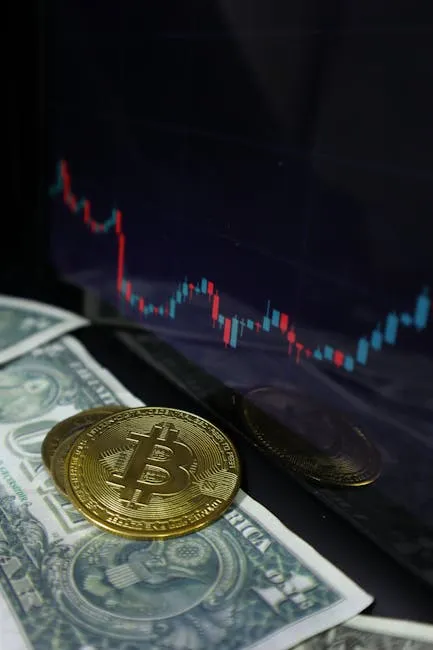
Bitcoin has slipped below the $75,000 mark, and according to a new note from JPMorgan, the macro winds that once propelled it—and gold—are starting to shift. The bank’s analysts suggest that the so-called “devaluation trade,” which has been a dominant narrative in crypto and precious metals markets, is beginning to cool off.
For months, investors piled into Bitcoin and gold as hedges against currency debasement, geopolitical instability, and persistent inflation. But as some of those pressures ease, the appeal of these assets as macro hedges appears to be fading. Let’s break down what JPMorgan is saying, why it matters, and what it could mean for Bitcoin’s near-term trajectory.
What is the ‘Devaluation Trade’?
Before diving into the implications, it’s worth clarifying what the “devaluation trade” actually refers to. In simple terms, it’s the strategy of buying assets like gold and Bitcoin to protect purchasing power when fiat currencies are expected to lose value. This typically happens in environments of high inflation, loose monetary policy, or geopolitical turmoil.
Bitcoin, with its fixed supply of 21 million coins, has often been framed as “digital gold” for this very reason. Similarly, physical gold has been a trusted store of value for millennia. When investors fear that central banks are printing too much money or that global tensions could disrupt markets, they tend to rotate into these hard assets.
Why JPMorgan Says the Trade is Cooling
According to JPMorgan’s latest research, several factors are contributing to the fading of the devaluation trade. First, inflation fears have moderated. While prices remain elevated in many economies, the trajectory has cooled from the peak levels seen in 2022 and 2023. Central banks in the U.S. and Europe have signaled that they are likely done with aggressive rate hikes, and markets are now pricing in potential rate cuts later this year.
Second, geopolitical tensions—particularly in the Middle East—have not escalated into a broader conflict as many feared. While the situation remains fragile, the immediate risk of a major disruption has diminished. This has reduced the urgency for safe-haven positioning.
Third, investor flows are shifting. JPMorgan notes that money is flowing out of devaluation trades and into more traditional risk-on assets like equities. This rotation suggests that market participants are becoming more comfortable with the macro outlook and less concerned about currency debasement.
Bitcoin’s Price Slip Below $75K
Bitcoin’s recent price action reflects this shift. After trading well above $80,000 earlier this year, the leading cryptocurrency has slipped below the $75,000 level. While this is still significantly higher than its lows in 2022, the downward momentum has caught the attention of traders and analysts alike.
It’s important to note that Bitcoin’s price is influenced by a wide range of factors beyond macro hedging. Institutional adoption, ETF flows, regulatory developments, and on-chain metrics all play a role. However, the correlation with gold and the broader macro environment has been notable in recent months.
When JPMorgan—one of the largest banks in the world—publishes a note suggesting that the devaluation trade is cooling, it can have a psychological impact on the market. Institutional investors who were piling into Bitcoin as a macro hedge may reconsider their positions, at least in the short term.
Gold Also Feeling the Pressure
Gold has not been immune to this trend. The precious metal, which hit all-time highs earlier this year, has also pulled back. This simultaneous decline in both Bitcoin and gold reinforces the idea that the devaluation trade is indeed losing steam.
Historically, gold and Bitcoin have shown periods of correlation, particularly during times of economic uncertainty. When that uncertainty fades, both assets can experience drawdowns as capital rotates elsewhere. This doesn’t mean the long-term case for either asset is broken, but it does suggest that the immediate catalyst for upside has weakened.
What Does This Mean for Bitcoin Investors?
For long-term Bitcoin holders, this pullback may be seen as a healthy correction within a broader bull market. The fundamentals of Bitcoin—its decentralized nature, fixed supply, and growing adoption—remain intact. Short-term macro shifts do not change the core value proposition.
However, for traders and those with a shorter time horizon, the cooling of the devaluation trade could mean continued sideways or lower price action in the near term. It’s worth watching key support levels around $70,000 and $65,000. If those hold, Bitcoin could consolidate before finding its next catalyst.
It’s also worth considering that JPMorgan’s view is just one perspective. Other analysts may argue that the devaluation trade is merely taking a breather and could resume if inflation reaccelerates or geopolitical tensions flare up again. The macro landscape is never static, and narratives can shift quickly.
Conclusion
Bitcoin’s slip below $75,000 comes at a time when the macro environment is evolving. JPMorgan’s assessment that the devaluation trade is cooling reflects a broader shift in investor sentiment—away from safe-haven hedges and back toward risk assets. While this has put downward pressure on both Bitcoin and gold, it does not signal the end of Bitcoin’s relevance as a store of value.
For now, the market is in a wait-and-see mode. The next major move will likely depend on how inflation, interest rates, and geopolitical events unfold in the coming weeks and months. Whether you see this as a buying opportunity or a reason to stay cautious, one thing is clear: the “devaluation trade” is no longer the dominant force it once was.