Market Data Points to Pre-Listing Manipulation on Major Platforms
A recent investigation by crypto data analytics firm Kaiko has highlighted concerning patterns in the cryptocurrency derivatives market. According to their findings, specific metrics such as open interest, funding rates, and wallet activity displayed repeated signs of positioning before several token listings were announced on Robinhood. This suggests that traders may have been front-running anticipated listings, potentially disadvantaging retail investors who rely on public announcements.
Understanding the Data Signals
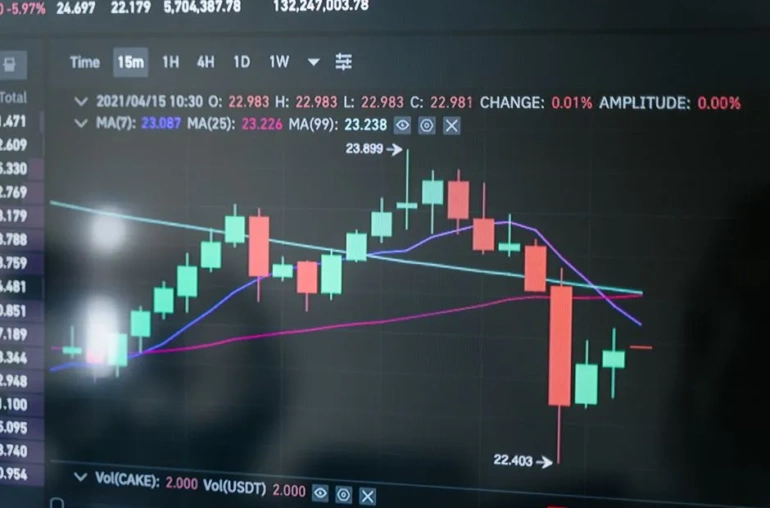
To understand the gravity of Kaiko’s findings, it is essential to look at the specific data points involved. In the world of cryptocurrency perpetual swaps, open interest refers to the total value of outstanding derivative contracts. A sudden spike in this metric before a public announcement can indicate that large players are positioning themselves to profit from the anticipated price movement.
Similarly, funding rates are periodic payments made between long and short positions in a futures contract. When funding rates become consistently positive or negative ahead of an event, it signals a strong sentiment bias. Kaiko observed that these rates shifted in tandem with wallet activity, suggesting that sophisticated traders were moving capital into or out of specific positions to anticipate Robinhood’s listing decisions.
What is Front-Running in Crypto?
Front-running is a practice where a trader takes advantage of anticipated market moves to execute a trade before the broader market reacts. While often associated with decentralized finance (DeFi) mempool manipulation, it also occurs in centralized exchanges when information leaks or is guessed correctly.
In this specific context, it implies that the large wallets and traders detected the intention to list a token on Robinhood before the official announcement was made to the public. By entering the market early, these entities could secure the best entry points, effectively locking in profits before the price surge that typically accompanies a new listing. When the public announcement finally drops, the price often spikes, but the early birds have already exited.
The Implications for Retail Investors
Robinhood has historically been the gateway for many new investors entering the cryptocurrency space. These users typically execute trades based on news feeds, social media, or official announcements from the company. If data indicates that institutional or high-net-worth traders are consistently front-running these listings, the playing field is not level.
- Price Impact: Retail investors buying after a public listing announcement often pay a higher price than necessary because the initial supply has already been absorbed by early movers.
- Liquidity Concerns: High open interest without corresponding volume from the general public can lead to volatility that hurts smaller accounts.
- Trust Erosion: Repeated occurrences can damage the trust that users have in the integrity of the listing process itself.
Broader Market Trends
This situation is not isolated to a single exchange. Across the broader cryptocurrency market, data analytics firms like Kaiko are increasingly using on-chain and off-chain data to uncover these patterns. The integration of blockchain data with traditional market metrics allows for more precise detection of potential market manipulation.
While centralized exchanges argue that their order books are opaque and difficult to manipulate, the clear signals in funding rates and wallet movements suggest otherwise. These patterns often emerge during hype cycles where speculation drives prices higher than fundamentals would suggest. When the hype cools, the price often corrects sharply, leaving those who entered late with significant losses.
Conclusion
The findings from Kaiko serve as a reminder for all market participants that data analytics can reveal hidden truths about market dynamics. For retail traders, this emphasizes the importance of understanding market mechanics beyond just following news headlines. While investing in new token listings remains a high-risk, high-reward strategy, being aware of the data signals that precede these events can help investors make more informed decisions.
Ultimately, the integrity of the crypto market relies on transparency and fair access. As data becomes more sophisticated, so too will the ability to detect these anomalies. Investors should remain cautious during listing periods and perhaps avoid entering positions immediately following public announcements, as the early positioning data suggests that the market has already accounted for much of the expected movement.