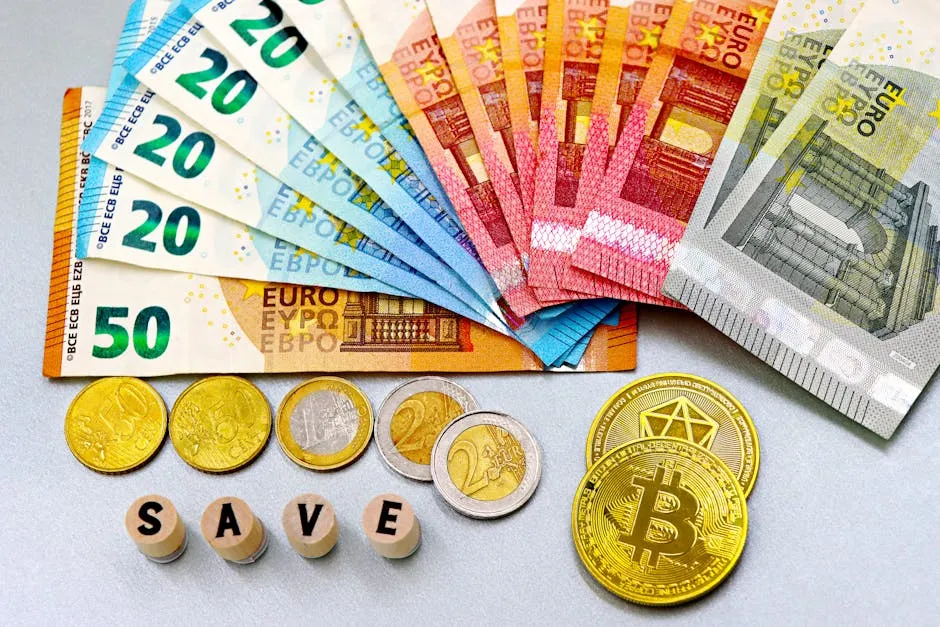
Europe Steps Up in the Digital Currency Race
In the rapidly evolving landscape of global finance, nations are increasingly looking toward digital assets to secure their economic future. Recently, France has made a significant move in this arena. The country’s finance minister has officially backed a new initiative designed to create a euro-pegged stablecoin. This strategic decision marks a pivotal moment for the European Union, aiming to challenge the dominance of the US dollar in international trade and payments.
By launching this initiative under the Markets in Crypto-Assets (MiCA) framework, France is not just adopting technology; it is asserting regulatory leadership. This move positions Europe to compete directly with the United States, fostering a more balanced global financial ecosystem where digital currencies serve the needs of citizens and businesses alike.
The Qivalis Initiative Explained
At the heart of this development is the Qivalis initiative. As announced by French authorities, this project was set to launch in 2025 with the specific goal of establishing a stablecoin backed by the euro. Stablecoins are digital tokens that maintain a stable value by being pegged to real-world assets, such as currencies or commodities. However, a euro-pegged stablecoin offers distinct advantages over traditional bank transfers, particularly in terms of speed and cost.
The primary objective is to facilitate faster cross-border transactions. Today, sending money internationally can take days and incur high fees. A regulated euro stablecoin could streamline this process, allowing for instant settlement. This is crucial for European businesses engaged in global commerce and for individuals sending remittances home. By creating a digital euro that functions seamlessly on blockchain networks, France hopes to enhance the usability of the single currency without leaving the Eurozone’s safety net.
Why MiCA Matters
The initiative operates under the MiCA framework, the European Union’s comprehensive regulatory structure for crypto-assets. MiCA was designed to protect consumers, ensure market integrity, and foster innovation within a regulated environment. Many in the industry feared that strict regulations could stifle growth, but MiCA is widely regarded as a balanced approach.
By supporting the Qivalis initiative under this framework, the French finance minister signals that compliance is key to success. This ensures that any stablecoin issued will be transparent, audited, and safe for users. It removes the fear of volatility and counterfeiting that often plagues unregulated crypto markets. Furthermore, it sets a precedent for how other European nations might approach digital asset regulation, potentially creating a unified market for digital euro applications across the continent.
Challenging US Dollar Hegemony
The strategic motivation behind this move is geopolitical as much as it is economic. Currently, the US dollar remains the world’s primary reserve currency. While this provides stability, it also gives the United States significant leverage in global finance. By developing a robust, regulated, and widely adopted euro-pegged stablecoin, Europe aims to reduce its dependency on dollar-based systems.
This does not mean the US dollar will disappear, but rather that Europe will offer a viable alternative for international trade settlement. If European exporters and importers can settle transactions in a digital euro, they insulate themselves from exchange rate fluctuations and sanctions risks associated with dollar clearing systems. It is a form of financial sovereignty, ensuring that the European economy remains resilient against external shocks.
What This Means for the Future of Payments
For the average consumer and business owner, the implications are significant. A successful rollout of this stablecoin could mean lower fees for online purchases and more efficient payroll processing for companies with international branches. The banking sector in Europe will also need to adapt, integrating these new digital rails into their existing infrastructure.
However, challenges remain. Adoption requires trust, and trust is built over time. The market must see that these stablecoins offer real utility beyond mere speculation. Additionally, the infrastructure to support high-volume digital euro transactions needs to be robust enough to handle potential spikes in usage. France is taking the lead, but the success of this venture will depend on collaboration with other EU member states and the private sector.
In conclusion, the French finance minister’s support for the Qivalis initiative represents a bold step toward a more digital-first economy. It aligns with the broader vision of the European Commission to modernize payments and protect citizens while fostering innovation. As the world watches, France is proving that regulatory frameworks like MiCA can support, rather than hinder, the creation of a secure and competitive digital currency ecosystem. The race for digital financial sovereignty has officially begun, and Europe is running with its own flag.