Understanding the Pulse of the Digital Asset Market
The cryptocurrency market is a dynamic ecosystem that never truly sleeps. For investors, traders, and enthusiasts alike, staying abreast of the latest developments is crucial for making informed decisions. Whether you are looking at the price action of Bitcoin or analyzing the utility of emerging Web3 technologies, the daily news cycle plays a pivotal role in shaping market sentiment. Today, we are diving deep into the key stories that are defining the current landscape of the digital finance world. From regulatory shifts to technological breakthroughs, understanding these trends helps you navigate the volatility and identify opportunities.
Bitcoin and the Market Dominance Narrative
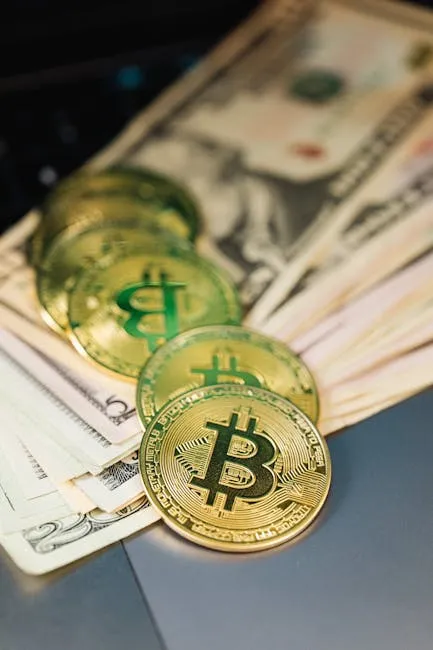
Bitcoin remains the cornerstone of the cryptocurrency market. As the first and most valuable digital asset, its price movements often set the tone for the entire sector. Recently, there has been a significant focus on how institutional interest continues to grow. Large financial institutions and corporations are increasingly exploring the integration of Bitcoin into their treasury strategies. This shift is not just about speculation; it is about viewing digital assets as a form of digital gold that can hedge against inflation.
However, the price of Bitcoin is influenced by a multitude of factors beyond just supply and demand. Macroeconomic indicators, such as inflation rates and interest rate decisions by central banks, play a major role. When the broader economy stabilizes, crypto markets tend to see renewed optimism. Conversely, periods of economic uncertainty often lead to a flight to safety. Understanding these macro drivers is essential for anyone watching the market. The narrative today is heavily focused on adoption and accessibility. As more people learn how to buy and hold Bitcoin, the network effect strengthens, potentially leading to long-term value appreciation.
The Role of Layer 2 Solutions
It is also important to note the technical improvements happening behind the scenes. Layer 2 solutions are designed to increase the speed and reduce the cost of transactions on the Bitcoin network. By processing transactions off the main chain and settling them later, these technologies make Bitcoin more practical for everyday use cases like payment processing and micropayments. This evolution addresses one of the oldest criticisms of the Bitcoin network: scalability. As the ecosystem matures, the utility of holding Bitcoin expands beyond just a store of value.
DeFi: The Evolution of Decentralized Finance
Decentralized Finance, or DeFi, represents a massive disruption to traditional banking. It allows users to lend, borrow, and earn interest on their crypto assets without needing to rely on a central authority. The daily news in this sector often revolves around new protocol launches and total value locked (TVL) figures. However, the conversation has shifted from pure speculation to sustainable utility.
One of the primary drivers in DeFi today is the integration of real-world assets (RWAs). Protocols are exploring how to tokenize assets like government bonds or real estate on the blockchain. This brings yield-generating assets into the DeFi ecosystem, offering new opportunities for yield farmers. It also bridges the gap between traditional finance and the decentralized world. Security remains a paramount concern. High-profile hacks in the past have taught users to prioritize safety measures like multi-signature wallets and audited smart contracts. The focus is now on building resilient infrastructure that can withstand complex attack vectors.
NFTs and the Expansion of Web3
Non-fungible tokens (NFTs) have evolved significantly since their initial hype cycle. The conversation has moved away from digital art and toward utility. Today, NFTs are being used for identity verification, membership access, and ticketing. The Web3 ecosystem is integrating these tokens into gaming and metaverse platforms, allowing users to truly own their digital assets.
This shift suggests a future where digital ownership is more than just a status symbol; it is a functional tool. Developers are focusing on interoperability, ensuring that assets can move seamlessly between different platforms. While the market has cooled down from its peak, the underlying technology continues to advance. The narrative today focuses on sustainable growth models that prioritize user retention and genuine engagement over quick flips.
Regulation and Compliance Updates
No discussion of crypto today is complete without addressing regulation. Governments around the world are actively crafting policies to manage the risks associated with digital assets. The primary goal is to protect consumers while fostering innovation. In the European Union, for example, the Markets in Crypto-Assets (MiCA) regulation is setting a new standard for compliance. This creates a clearer framework for exchanges and service providers to operate legally.
Compliance is not just about following rules; it is about legitimacy. When institutions enter the space, they require assurance that the market is regulated. This helps drive institutional capital. However, the regulatory landscape is still evolving. Updates can happen quickly, impacting market dynamics. Staying informed about these changes is vital for long-term portfolio management. The trend is moving toward a balanced approach that encourages responsible development while maintaining strict oversight.
Conclusion
In summary, the cryptocurrency market today is a blend of technological innovation, financial evolution, and regulatory maturation. From the stability of Bitcoin to the flexibility of DeFi and the utility of NFTs, each sector contributes to a broader vision of a decentralized future. For the average investor or enthusiast, the key takeaway is to remain vigilant and informed. The daily news cycle provides the context needed to navigate this complex environment. As the industry continues to mature, the opportunities will likely expand, but so will the responsibilities. Keeping a close eye on these developments ensures you are prepared for whatever the next market move brings.