Why Retail Investors Get Trapped in Crypto Cycles
Let’s be honest about the current state of cryptocurrency investing. It is often described as a roller coaster, and for the average retail investor, the experience can feel less like investing and more like gambling. The narrative is usually the same: buy the dip, hold through the bear market, sell the moon. But what happens when that cycle repeats itself?
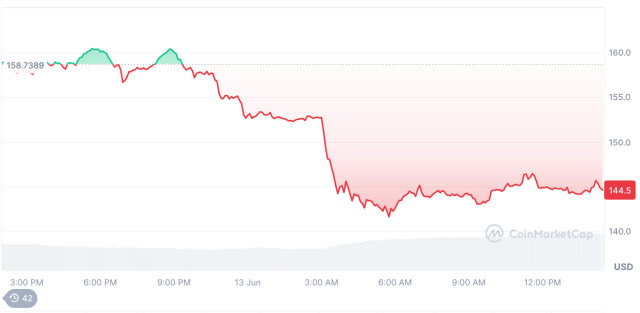
The market is full of volatility. One day, a coin is trending upward at 20% per hour; the next, it is down 50%. This environment creates a trap. Retail investors, driven by FOMO (Fear Of Missing Out) and the desire for quick gains, often end up chasing pumps. When the market corrects, they panic sell at the bottom. The result is a cycle of loss that reinforces the belief that crypto is too risky for long-term wealth building.
This behavior is not just bad luck; it is a structural issue in how the market rewards participation. For years, the only way to make money in crypto was to speculate on the next big story. That approach is unsustainable. To truly change investor fortunes, we need to look at how participation is structured.
The Power of Savings Layers
Enter the concept of “savings layers” as a solution to this volatility problem. This is not just about buying and holding tokens; it is about rethinking how incentives are designed within the ecosystem. A savings layer acts as a buffer against the wild swings of the market.
Imagine a financial product where the primary goal is capital preservation rather than speculative gain. In traditional finance, this looks like a high-yield savings account. In the crypto world, it is more complex because of the underlying asset’s volatility. However, by layering savings protocols on top of volatile assets, investors can earn yield without exposing themselves to the full extent of the market’s crash. This is a crucial distinction: it separates the act of saving from the act of trading.
When savings layers are integrated with capital preservation mechanisms, the psychology of the investor changes. You are no longer asking, “Will I double my money tomorrow?” You are asking, “Is my principal safe, and am I earning a steady return?” This shift in focus is what allows for consistent gains over time, rather than the feast-or-famine dynamic that currently plagues the sector.
Rewriting Participation Through Incentives
The second key component mentioned in recent developments is prize incentives. These are not just random giveaways; they are strategic tools to reward long-term participation. If an investor locks their assets in a savings layer for a set period, they are often eligible for prizes or bonus yields. This creates a “flywheel effect.”
Why does this matter? Because it discourages the “churn” that characterizes speculative trading. When people know that stability and rewards are tied to holding, they are less likely to panic sell. Instead, they become active builders of their portfolio. This stability is essential for the broader crypto economy. If retail investors are trapped in speculation, they are trapped in speculation. By rewarding the act of saving and holding, we unlock a new era of market maturity.
The Future of Consistent Gains
The shift toward incentive design is more than a technical update; it is a philosophical shift in how we view digital assets. Historically, crypto has been defined by its disruption. Now, the disruption is happening in the finance of the crypto world itself. We are moving from a model of “get rich quick” to “get rich consistent.”
For the retail investor, this means a safer path forward. By utilizing savings layers with built-in incentives, you are essentially insulating your portfolio from the worst of the market cycles while still participating in the upside. It is not about avoiding risk entirely, but about managing it intelligently.
Furthermore, this approach democratizes wealth accumulation. Previously, only those with deep pockets and high risk tolerance could survive the bear markets. With these new incentive structures, individuals with modest capital can preserve what they have and grow it incrementally. This inclusivity is vital for the mass adoption of cryptocurrency.
Conclusion
The crypto market has proven its value, but for the average person, the journey has been fraught with danger. The solution lies in the incentives we design. By focusing on capital preservation and rewarding consistent participation, we can rewrite the rules of engagement for retail investors. The future of crypto fortunes does not lie in chasing the next pump; it lies in smart, sustainable savings layers that reward patience and discipline. As the industry evolves, those who embrace this new model will find that their fortunes are no longer tied to the whims of a chart, but to the steady hands of a well-designed strategy.