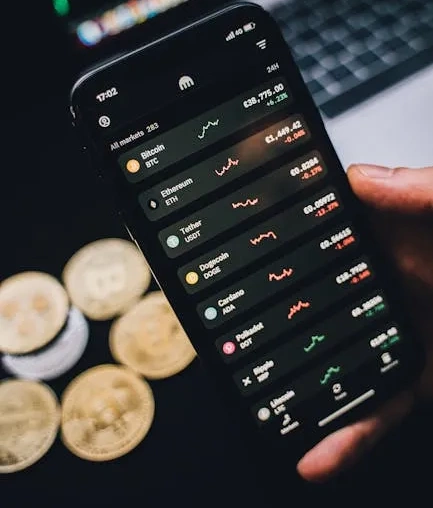
The cryptocurrency market is notoriously volatile, but it is also highly sensitive to macroeconomic conditions. Recently, a significant discussion has emerged regarding the potential impact of energy prices on digital assets. Specifically, analysts are asking a critical question: what happens to Bitcoin if oil prices hit $180 per barrel? This scenario is not merely theoretical; a 70% spike in oil prices could trigger a domino effect that nearly doubles US inflation, slashes hopes for interest rate cuts, and significantly deepens the downside risks for Bitcoin prices in the coming months.
The Oil Shock and Its Inflationary Impact
To understand the risk, we must first look at the mechanics of the oil market. Oil is the blood of the global economy, serving as a primary input for everything from transportation and logistics to manufacturing and heating. When the price of oil spikes, the cost of doing business increases across almost every sector. If oil prices were to surge to $180 a barrel, that would represent a massive shock to consumer prices.
Transportation costs would immediately rise, leading to higher prices for groceries, electronics, and other goods shipped across the country. Manufacturing companies would face higher energy bills, forcing them to either absorb the costs (reducing profit margins) or pass them on to consumers in the form of inflation. This phenomenon creates a feedback loop: higher costs lead to higher prices, which leads to higher inflation. In a scenario where oil costs quadruple their baseline, US inflation could nearly double, creating a sticky environment that is resistant to quick fixes.
The Federal Reserve and the Rate Cut Hopes
For investors in risk assets like Bitcoin, the Federal Reserve’s monetary policy is the single most important factor to monitor. Currently, investors are optimistic about rate cuts, believing that the economy has cooled enough for the central bank to ease pressure without triggering a recession. However, a massive oil shock would change the Fed’s calculus entirely.
If inflation spikes due to energy costs, the Fed is forced to keep interest rates high to combat that inflation. High interest rates mean borrowing becomes expensive. This reduces the liquidity available in the financial system. When the Federal Reserve does not cut rates, the flow of cheap money that often fuels crypto bull runs dries up. Instead of a liquidity-rich environment where capital chases yield, we would see capital retreat into safe assets like Treasury bonds, leaving riskier assets like Bitcoin vulnerable to sharp declines.
Bitcoin as a Risk-On Asset
It is essential to remember that Bitcoin is generally classified as a “risk-on” asset. Its price performance tends to correlate strongly with global liquidity and investor risk appetite. When the economy is booming and rates are low, investors are willing to take on risk for higher potential returns. Conversely, when inflation forces the Fed to maintain high rates, the opportunity cost of holding Bitcoin increases.
In a high-inflation, high-interest-rate environment, investors become risk-averse. They prioritize capital preservation over speculative gains. This shift in sentiment can lead to a sell-off in crypto markets. Furthermore, the energy required to mine Bitcoin could become a point of contention if energy costs skyrocket, though this is a secondary effect compared to the macroeconomic liquidity squeeze. The primary threat remains the broader financial conditions tightening.
Conclusion: Staying Aware of the Macro Picture
While the current energy market dynamics remain a concern, the scenario of oil hitting $180 is extreme. However, the lesson remains clear: Bitcoin does not exist in a vacuum. It is deeply intertwined with the global economy, the US dollar, and the Federal Reserve’s policy decisions. Investors should remain vigilant and aware of how geopolitical events affecting energy supplies can ripple through the financial system. Diversification and a long-term perspective are crucial, as short-term macro shocks can create significant noise even for strong assets. Understanding these connections is the first step in navigating a complex and evolving market landscape.