The Hidden Message in Bitcoin’s Latest Price Action
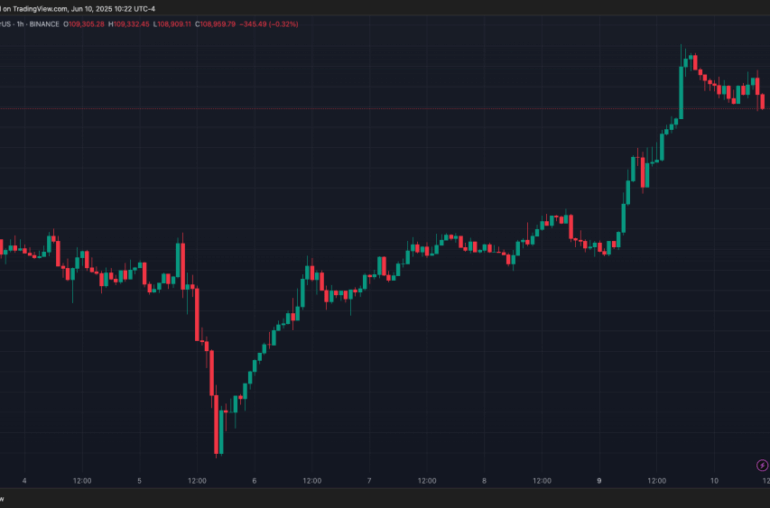
If you have been following the cryptocurrency markets closely over the last few weeks, you might have noticed a peculiar trend. Despite no immediate news breaking headlines regarding specific crypto projects or regulatory crackdowns, the price of Bitcoin (BTC) has shown significant volatility and movement. Behind the scenes of this trading activity lies a critical macroeconomic indicator that often dictates risk asset sentiment: the Consumer Price Index, or CPI.
According to recent analysis from industry experts, the market is currently pricing in higher-than-expected inflation data for March. In technical trading terms, analysts suggest that the “CPI print” for March is already “baked in” to the current Bitcoin price. This phrase describes a situation where future economic events are anticipated by the market before they officially occur. Essentially, traders have moved money based on expectations of what will happen, rather than reacting only after the news is released.
What Does “Baked In” Mean for Investors?
To understand the impact on Bitcoin, we first need to unpack what happens when inflation numbers surprise the market. The CPI measures the average change over time in the prices paid by urban consumers for a market basket of consumer goods and services. When this number comes out higher than expected, it generally signals that inflation is persistently high.
High inflation leads the Federal Reserve to consider keeping interest rates elevated or even hiking them further. Higher interest rates increase the cost of borrowing money and make “safe” assets like bonds more attractive compared to riskier assets like cryptocurrencies. Consequently, if investors expect a higher CPI print in March, they may sell Bitcoin now to lock in profits before the price drops once the negative market reaction hits.
This creates a self-fulfilling prophecy. By selling ahead of the data release, prices drop even if the final number is only slightly worse than expected. This psychological aspect of trading is what analysts are referring to when they say the “pain” is already baked in.
The BLS Data and Rising Costs
Recent data released by the Bureau of Labor Statistics (BLS) sheds light on specific sectors driving inflationary pressure. The report highlighted several key areas where costs rose significantly during the month of February:
- Medical Care: Healthcare expenses remain a persistent and growing cost for households.
- Apparel: Clothing and fashion items have seen price increases, impacting disposable income.
- Household Furnishings: Prices for home goods continue to climb.
- Airline Fares: Travel costs remain elevated, affecting the leisure budget.
- Education: Tuition and educational expenses have also seen an uptick.
When these sectors combine, they paint a picture of a sticky inflation environment. The “baked in” theory suggests that Bitcoin has already factored the negative sentiment associated with these rising costs into its price valuation.
Bitcoin: A Hedge or a Risk Asset?
The relationship between macroeconomic indicators like CPI and Bitcoin is often debated. Some proponents argue that Bitcoin acts as a “digital gold” or a hedge against inflation, similar to how precious metals have historically performed during times of currency debasement.
However, in the short term, Bitcoin behaves much more like a tech stock or a risk-on asset. It is highly sensitive to global liquidity and interest rate expectations. If the CPI data suggests that the Federal Reserve will keep rates high for longer than anticipated, liquidity tightens, and capital flows out of speculative assets.
Therefore, seeing analysts claim the March print is already priced in implies a cautious approach. The market is not waiting for the official release to adjust; it has adjusted ahead of time based on the trajectory of data from February and early March reports. This suggests that Bitcoin’s current price level might be lower than its intrinsic value could support, assuming inflation cools down later in the year.
What Does This Mean for Crypto Investors?
For those holding long-term positions, understanding these macroeconomic cycles is essential. The “baked in” narrative is a warning sign of potential volatility following major data releases. While the bad news might be priced in, there is often a knee-jerk reaction to the data that can cause short-term dips.
It is crucial for investors not to mistake market sentiment based on CPI for long-term fundamentals. Bitcoin has shown remarkable resilience over the years, recovering from bear markets and volatility caused by economic shocks. However, timing trades around macroeconomic events requires a deep understanding of what these indicators tell us about the broader liquidity environment.
In conclusion, while the specific sectors like medical care and airline fares drive inflationary headlines, their ultimate impact on Bitcoin depends on how policymakers react to that data. If the Federal Reserve maintains a hawkish stance due to stubborn inflation in those areas, Bitcoin price action will reflect that. But as the market anticipates the March print now, investors should remain vigilant for any signs of liquidity shifts that could alter Bitcoin’s trajectory.