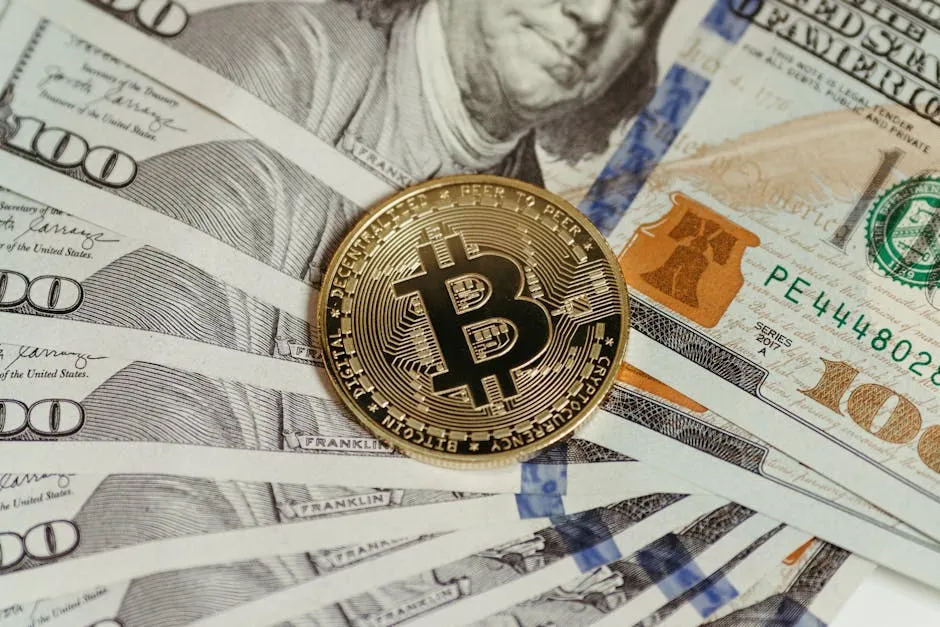
Crypto Meets Main Street: Kraken Secures a Critical Link
The cryptocurrency industry has long sought integration with traditional banking systems to gain stability and wider acceptance. Recently, that dream began to take concrete shape when Kraken, a leading digital asset exchange, successfully connected with the Federal Reserve’s payment access network. This move is more than just a technical upgrade; it represents a significant shift in how digital assets interact with the global economy.
By plugging into Fed payment systems, Kraken positions itself to facilitate faster and more reliable settlements for its users. Historically, crypto transactions have faced latency issues compared to traditional fiat transfers. Accessing the Federal Reserve network allows for real-time clearing of funds, which is a crucial requirement for institutional players who value speed and security above all else.
Corporate Financial Health: MARA and Fold
While industry giants make headlines with infrastructure deals, smaller companies are also finding ways to stabilize themselves. Marathon Digital Holdings (MARA), a major Bitcoin mining operator, recently clarified its plans regarding its Bitcoin treasury. This transparency helps investors understand the company’s long-term strategy without forcing immediate sell-offs of assets.
Similarly, another entity known as Fold has taken decisive action by cutting $66 million in debt. These moves highlight a maturing sector where companies are prioritizing balance sheet health. Reducing leverage allows these businesses to weather market volatility better and focus on sustainable growth rather than survival.
The NYSE Tokenization Opportunity
Beyond individual companies, the broader infrastructure of finance is evolving. Analysts suggest that the New York Stock Exchange (NYSE) tokenization could play a pivotal role in attracting more institutions to the crypto space. Tokenizing traditional assets allows them to be traded on blockchain networks, combining the regulatory oversight of the NYSE with the efficiency of decentralized technology.
This hybrid approach offers the best of both worlds. Institutions can maintain compliance while accessing 24/7 markets and lower settlement times. As more major exchanges and stock markets explore tokenization, we may see a new era where the line between crypto and traditional finance becomes increasingly blurred.
What This Means for Investors
These developments collectively signal that the “wild west” phase of cryptocurrency is giving way to regulated, institutional-grade infrastructure. Whether through Fed access or tokenized assets, the industry is building bridges to the real economy. For investors and users alike, this means greater security and a clearer path toward mainstream adoption.